What Do You Do With 30 Years of Experience?

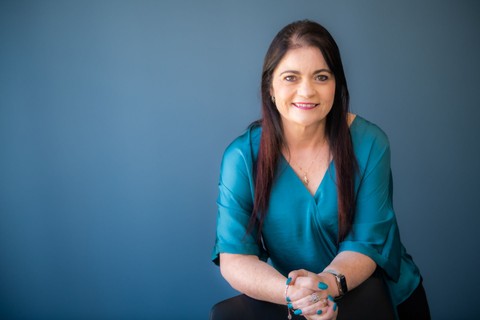
I have been working for more than 30 years now, which is slightly alarming to me when I see that number written down.
During that time I have worked in different industries, led organisations, employed people, served on Boards, made good decisions and some fairly ordinary ones, dealt with difficult situations, built things that worked and a few things that did not.
Somewhere along the way, you accumulate experience.
We talk about experience as though simply having it is valuable. And of course it is. There are things I know now that I could not possibly have known at 25 or 35 because I had not lived through enough yet.
But I am beginning to wonder whether experience on its own is actually worth very much.
If all those lessons remain with us, what happens to them?
Someone saw something in me
One of my earliest jobs was at Bridge Jewellers, a jewellery and gift shop in Carlingford NSW. I was young enough that I don't think I fully understood the value of the stock we had in the store. I just knew I loved the displays, the customers and making things look beautiful.
I still remember the day my manager trusted me to set out the front window filled with diamonds and jewels. At the time, I probably saw it as a promotion and a chance to be creative. Looking back, I can see something else. She had decided I was trustworthy.
I worked hard. I came in early, stayed late and always offered to help. And this was back in the days when cash was still very much king. I can remember walking out of the shop, across the road to Westpac Bank, carrying a bag with thousands of dollars in the previous day’s takings.
It seems almost unbelievable now.
What I understand differently today is that someone had seen something in me and given me responsibility before I had the experience to fully appreciate it.
Most of us can probably point to someone who did that for us. Someone who trusted us before we had developed our own confidence. Someone who gave us a chance or quietly decided we were capable of more.
Those moments matter because they are often where experience begins.
Experience is not the same as wisdom
There is an assumption that age automatically produces wisdom.
I am not convinced.
You can have 30 years of experience, or essentially the same year repeated 30 times.
Experience becomes useful when we reflect on it. What worked? What did not? What would I do differently now? What did I completely misunderstand at the time?
Some of my most useful leadership lessons have come from situations I would happily have avoided. The role that did not work out. The person I misjudged. The opportunity I said yes to when I probably should have said no. The leader I worked for who showed me exactly how I did not want to lead.
At the time, those experiences did not feel particularly valuable. They just felt difficult.
It is only later that you begin to see the patterns. That is one of the benefits of getting further along in your career. You have enough history to recognise that very few experiences are wasted if you are prepared to learn from them.
But learning the lesson yourself is only part of it.
At some point, the question becomes what do you do with what you have learnt.
Sometimes people need someone beside them
I have had the privilege of serving on a number of Boards, and one of the experiences I value most was mentoring the founder of a not for profit organisation.
She had enormous vision and commitment, but from time to time she questioned whether she had enough experience, or whether she was really the right person to be CEO.
From where I sat, the answer was much clearer. Her vision for the organisation and her commitment to its purpose were taking it somewhere another leader simply could not have taken it, achieving huge positive impacts across many lives.
She did not need someone to take over. She needed someone beside her with a little more experience. Someone who could help her think things through, speak trust and confidence into the difficult days and remind her that she was capable of leading what she had created.
I am no longer on that Board, but the organisation continues to thrive. One of the things I enjoy most is watching that CEO now encourage other people around her to step into leadership themselves.
That, to me, is where experience becomes valuable.
Not when it makes us the person with all the answers, but when it helps someone else develop confidence in their own judgement.
What do we do with what we know?
At 55, I am starting to think that accumulating more experience may no longer be the main point.
Perhaps part of the responsibility that comes with experience is deciding what we are going to do with it.
That might mean mentoring someone. Giving a younger leader an opportunity before they think they are ready. Explaining not just what decision you made, but how you reached it. Teaching what you know. Building processes that mean an organisation does not rely on what is stored in one person’s head.
And perhaps, most importantly, recognising potential in someone else before they can quite see it themselves.
Someone once did that for me.
Years later, I had the privilege of doing something similar for another leader. Now I watch her create opportunities and confidence in the people around her.
That is the part I find interesting.
Experience passed on does not diminish. It multiplies.
So perhaps the question for those of us who have been around for a while is not simply, “What have I learnt?”
It is, “Who is better equipped because I learnt it?”
Thirty years of experience kept to ourselves eventually becomes our personal history. Passed on, it can become someone else’s starting point.
So what do you do with 30 years of experience?
You pass it on.
And perhaps the real measure is whether someone else is more capable, more confident or more willing to step forward because of what you learnt along the way.